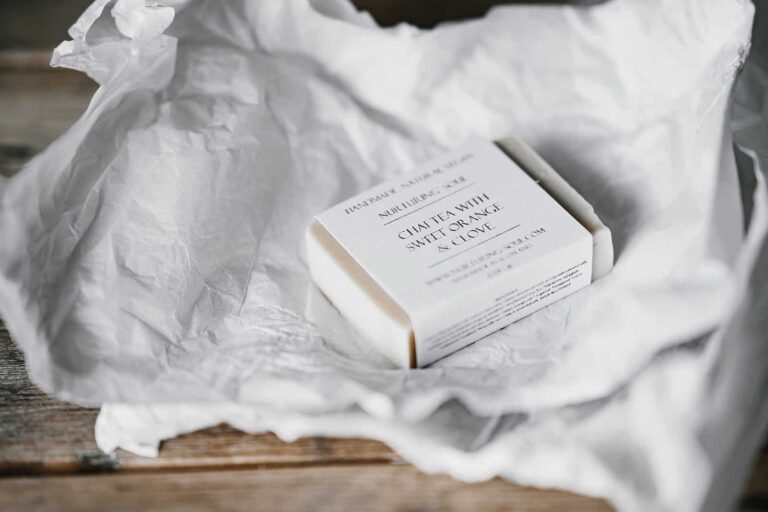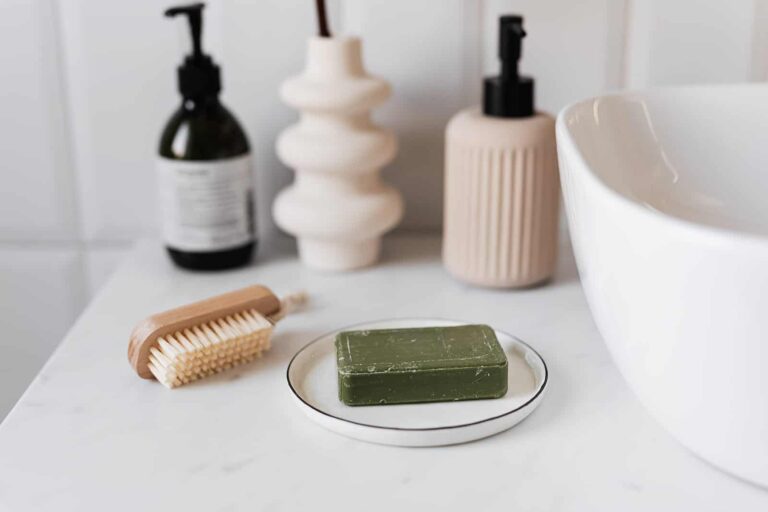
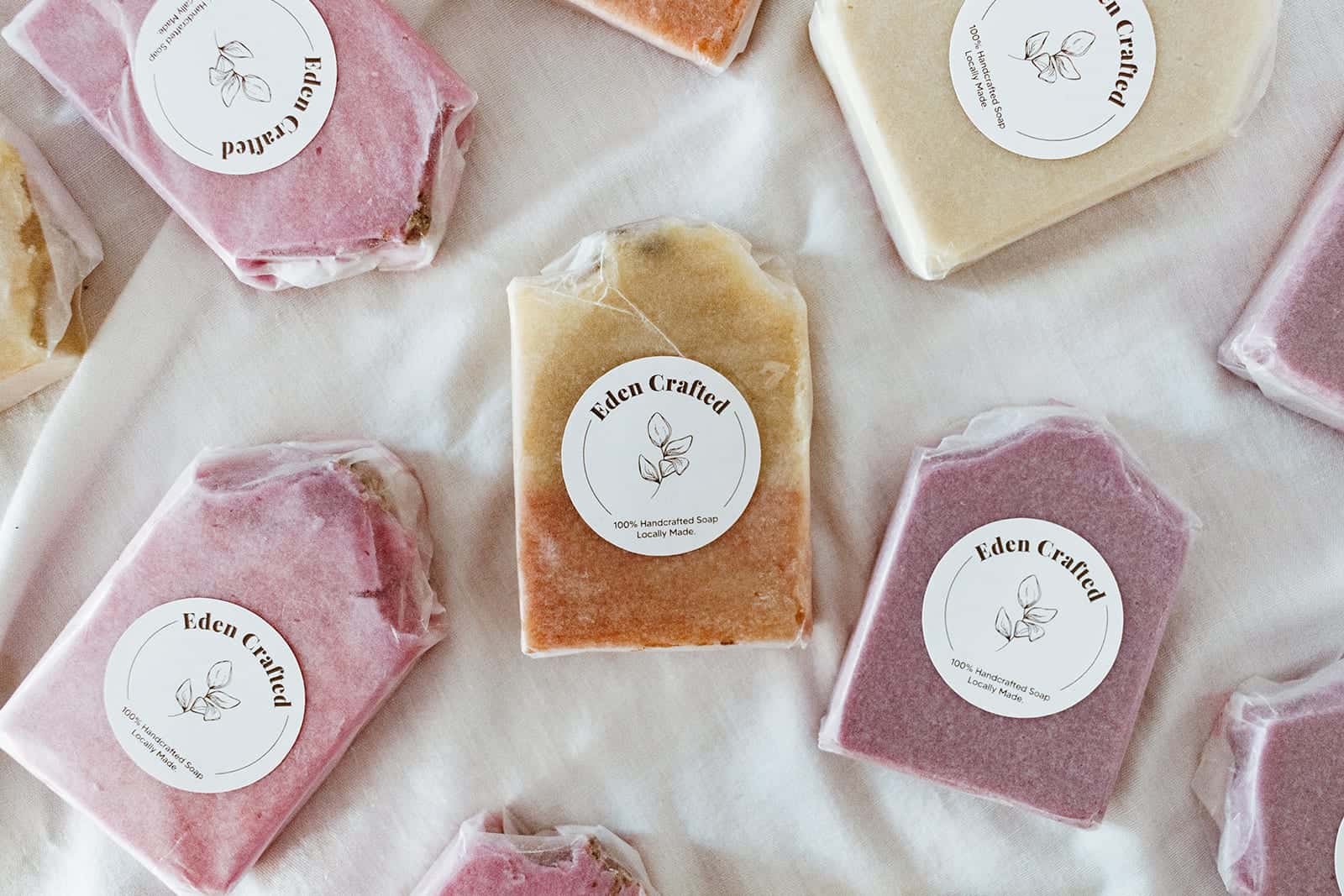
Soap or Purell? Which one works better?
Sed arcu non odio euismod lacinia. Sit amet cursus sit amet dictum sit. Nunc pulvinar sapien et ligula ullamcorper. Pellentesque diam volutpat commodo sed egestas. Tellus elementum sagittis vitae et leo duis ut diam quam. Eleifend donec pretium vulputate sapien nec sagittis aliquam malesuada bibendum. At risus viverra adipiscing at in tellus. Duis at tellus at urna condimentum mattis pellentesque.
What is the point in making great food if you can’t serve it in style?
Lorem ipsum dolor sit amet, consectetur adipiscing elit, sed do eiusmod tempor incididunt ut labore et dolore magna aliqua. Ut enim ad minim veniam, quis nostrud exercitation ullamco laboris nisi ut aliquip ex ea commodo consequat.
- Stick to posting schedules that work
- Giveaways are a great way to get people into your community
- Look into your insights to see when your audience is active on Instagram
- Always be clear on what your CTA is
Duis aute irure dolor in reprehenderit in voluptate velit esse cillum dolore eu fugiat nulla pariatur. Excepteur sint occaecat cupidatat non proident, sunt in culpa qui officia deserunt mollit anim id est laborum.


Lorem ipsum dolor sit amet, consectetur adipiscing elit, sed do eiusmod tempor incididunt ut labore et dolore magna aliqua. Ut enim ad minim veniam, quis nostrud exercitation ullamco laboris nisi ut aliquip ex ea commodo consequat. Duis aute irure dolor in reprehenderit in voluptate velit esse cillum dolore eu fugiat nulla pariatur. Excepteur sint occaecat cupidatat non proident, sunt in culpa qui officia deserunt mollit anim id est laborum.
Viverra aliquet eget sit amet. At ultrices mi tempus imperdiet nulla. Arcu dui vivamus arcu felis bibendum ut. Arcu cursus euismod quis viverra nibh. Cursus vitae congue mauris rhoncus. Faucibus ornare suspendisse sed nisi lacus sed viverra.
John Doe
At vero eos et accusamus et iusto odio dignissimos ducimus qui blanditiis praesentium voluptatum deleniti atque corrupti quos dolores et quas molestias excepturi sint occaecati cupiditate non provident, similique sunt in culpa qui officia deserunt mollitia animi, id est laborum et dolorum fuga.


Handmade serving spoon sets.
- Remain Top of Mind
- Be Seen to Sell
- Learn Something New
At vero eos et accusamus et iusto odio dignissimos ducimus qui blanditiis praesentium voluptatum deleniti atque corrupti quos dolores et quas molestias excepturi sint occaecati cupiditate non provident, similique sunt in culpa qui officia deserunt mollitia animi, id est laborum et dolorum fuga. Et harum quidem rerum facilis est et expedita distinctio. Nam libero tempore, cum soluta nobis est eligendi optio cumque nihil impedit quo minus id quod maxime placeat facere possimus, omnis voluptas assumenda est, omnis dolor repellendus.
Bibendum est ultricies integer quis. Risus quis varius quam quisque id diam vel. Lorem mollis aliquam ut porttitor leo a diam sollicitudin. At tempor commodo ullamcorper a. Faucibus scelerisque eleifend donec pretium vulputate sapien nec. Aliquet bibendum enim facilisis gravida neque convallis. In hendrerit gravida rutrum quisque.